
What you get from 24Restore:
Our Certified inspector will come to your home
Assess the extent of your mold remediation needs
Present personalized solutions on what to do next
100% satisfaction guaranteed
NO service call fees. NO dispatch fees.
If we do the work, our In-House Claims Department will work with your insurance!
In house team takes and processes samples

2
3
4
5
It’s tempting to handle mold yourself, but this is one situation where cutting corners can lead to serious consequences. While small surface mold might seem manageable, hidden mold or larger infestations can be dangerous to tackle without the proper tools and expertise. You also risk exposure to harmful mold spores and chemicals that can affect your health. Even more critically, you could miss the root cause, like a hidden leak or poor ventilation, which will allow the mold to come back even worse!
Mold remediation is the process of safely removing mold from your home and preventing it from returning. Mold can seriously affect your indoor air quality, leading to health issues like allergies, respiratory problems, and other long-term health effects. Fall brings increased moisture and humidity, making it a crucial time to tackle mold before it has the chance to spread.
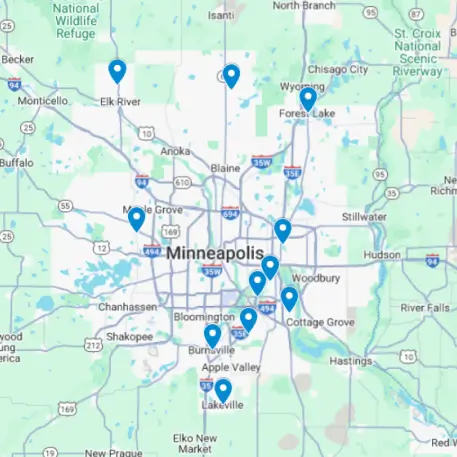
Mold needs moisture, warmth, and organic material to grow, and the Twin Cities, MN fall weather creates the perfect environment for it to thrive. Increased rain, higher humidity, and plumbing issues from cooler temperatures can all introduce moisture into your home. If your home is already prone to high humidity or has experienced water damage in the past, the risk of mold growth increases significantly. If you’re noticing signs of mold, act fast before it gets worse!
To keep mold at bay, it’s crucial to control humidity, fix leaks right away, and make sure your home is properly ventilated. Autumn can bring a lot of moisture, so now is the time to check things like your gutters, windows, and roofs for leaks before moisture has a chance to sneak in and cause trouble! If you’ve already spotted mold in your home, don’t wait – it’s critical that you schedule mold remediation services with 24Restore immediately!
Absolutely! Mold produces allergens and toxins that can trigger coughing, sneezing, headaches, and even breathing issues, especially if you already have allergies or asthma. Long-term exposure can certainly exacerbate these issues. As fall sets in and we spend more time indoors with windows shut tight, good indoor air quality becomes even more important. If you suspect you may have mold, schedule a remediation service with our team right away!
Mold in your home is more than just a nuisance, it can affect indoor air quality, damage building materials, and create unhealthy living conditions. At 24Restore, our certified mold remediation specialists provide safe, thorough, and professional restoration solutions to remove mold at the source and restore a healthier environment for your family.
Whether you’ve noticed musty odors, visible mold, or suspect serious moisture problems, we’re here to help with reliable service you can feel confident about!
Top 5 Signs You Need Professional Mold Remediation
Mold often hides behind walls, under flooring, or in damp areas, making it difficult for homeowners to detect until the problem becomes severe. Knowing the warning signs can help you take action before costly damage occurs. If you’ve noticed any of the issues below, it may be time to call a mold remediation specialist at 24Restore. Here are five major indicators that your home needs professional mold removal:
A damp, earthy smell, especially in basements, bathrooms, or crawlspaces, is one of the most common signs of hidden mold growth.
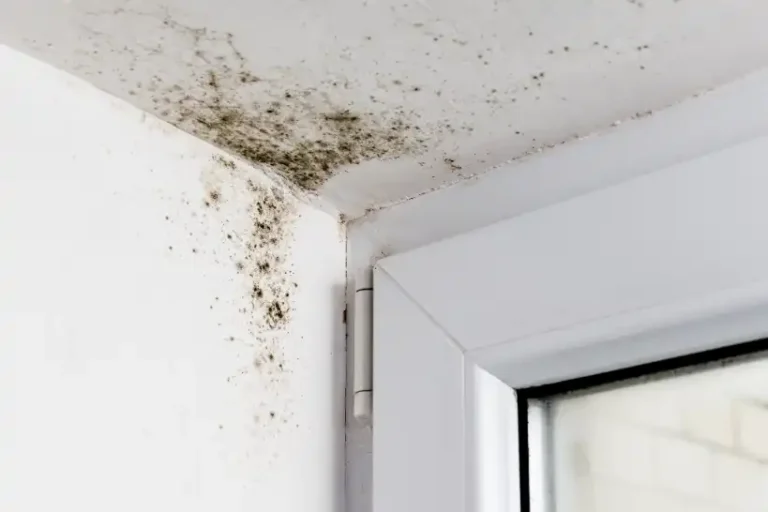
Yellow, brown, or dark stains on your ceilings, walls, or baseboards often indicate ongoing water intrusion that requires immediate professional attention.
Whether it’s black, green, or white, any visible mold patches signal excess moisture and potential spreading behind surfaces.
Flooding, leaks, or plumbing issues can all create ideal conditions for mold to develop within 24 to 48 hours.
Increased coughing, sneezing, headaches, or respiratory irritation indoors can indicate airborne mold spores.
Moisture buildup behind walls or ceilings can cause bubbling, chipping, or warping, often accompanied by mold growth.

our happy home club will Lower your Utility Bills & Extend the life of your systems. additional benefits:
At 24Restore, we are committed to ensuring that individuals with disabilities enjoy full access to our websites. In recognition of this commitment, we are in the process of making modifications to increase the accessibility and usability of this website, using the relevant portions of the Web Content Accessibility Guidelines 2.0 (WCAG 2.0) as our standard. Please be aware that our efforts are ongoing. If at any time you have difficulty using this website or with a particular web page or function on this site, please contact us by phone at (612) 800-8055; or email us at ([email protected]) and place “Web Content Accessibility (ADA)” in the subject heading and we will make all reasonable efforts to assist you.